
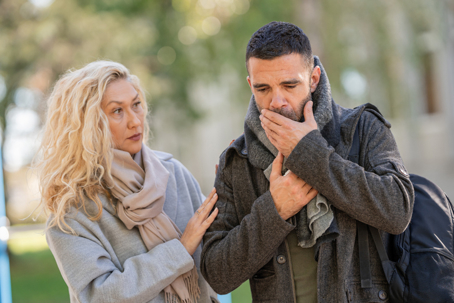
If you have chronic obstructive pulmonary disease (COPD), you already know how hard it can be to breathe on a regular day. But when cold weather arrives, things can get much worse. For many people with COPD, winter is not just uncomfortable — it can be dangerous, and it can seriously affect your ability to work. If your condition has made it impossible to hold down a job, you may be wondering whether you qualify for Social Security Disability (SSD) benefits.
If cold weather has pushed your COPD to the point where you can no longer work, do not wait to take action. Contact Carmichael Law Group today by calling (888) 687-6022 or filling out our online contact form for a free consultation.
What Is COPD and Why Does Cold Air Make It Worse?
COPD is a lung disease that makes it hard to breathe. It includes conditions like chronic bronchitis and emphysema. With COPD, the airways in your lungs become blocked or damaged over time, making it difficult for air to flow in and out.
Cold air is a known trigger for COPD symptoms. When you breathe in cold, dry air, it can cause your airways to tighten and swell. This leads to what many people call a "COPD flare-up" or "exacerbation" — a sudden worsening of symptoms that can last days or even weeks.
How Cold Weather Affects COPD Symptoms
During the winter months, people with COPD often see a major increase in their symptoms. The body works harder just to stay warm, which puts extra strain on already-damaged lungs.
Cold weather can also make you more likely to get respiratory infections like the flu or pneumonia. These illnesses are especially serious for people with COPD and can lead to hospitalization or long-term complications.
Signs That Your COPD Is Getting Worse in Cold Weather
It is important to know the warning signs that cold weather is making your COPD harder to manage. Catching these signs early can help you protect your health and document your condition for a potential SSD claim.
Here are some common signs that cold weather is worsening your COPD:
- Increased shortness of breath, even during light activity or rest
- More frequent coughing or wheezing than usual
- Coughing up more mucus, especially if it changes color to yellow or green
- Feeling more tired than normal, even after sleeping
- Tightness or pressure in your chest
- Needing to use your rescue inhaler more often
These symptoms can limit your ability to walk, stand, concentrate, or complete basic tasks. If this sounds familiar, keeping a detailed record of these episodes is very important. If you notice any of these warning signs, contact your doctor right away. Getting medical care creates records that can support your SSD claim.
Can COPD Qualify You for Social Security Disability Benefits?
Yes, COPD can qualify you for Social Security Disability benefits. The Social Security Administration (SSA) — the government agency that manages SSD — has a list of medical conditions that may automatically qualify a person for benefits. This list is known as the "Blue Book."
COPD appears in the SSA's Blue Book under respiratory disorders. To qualify based on your COPD diagnosis alone, your condition must meet certain medical standards. These include specific results from a breathing test called spirometry, which measures how well your lungs work. If your COPD does not meet the Blue Book standards, you may still be able to qualify through what is called a "medical-vocational allowance." This means the SSA looks at your age, education, work history, and how your symptoms limit your ability to do any type of job.
What the SSA Looks for in a COPD Disability Claim
The SSA does not simply take your word for how sick you are. They review a lot of evidence to decide whether your COPD is serious enough to prevent you from working. Understanding what they look for can help you build a stronger claim.
Here is the type of evidence the SSA commonly reviews when evaluating a COPD-related SSD claim:
- Medical records from your doctor, pulmonologist (lung doctor), or other treating providers
- Results from breathing tests, including spirometry and arterial blood gas tests
- Records of hospital stays, emergency room visits, or COPD exacerbations
- Imaging studies such as chest X-rays or CT scans
- Documentation of all medications you take and any side effects
- Statements from you and others about how your condition affects your daily life
The more complete and consistent your medical records are, the stronger your claim will be. Gaps in treatment can hurt your case, so it is important to see your doctor regularly and follow your treatment plan. An experienced SSD lawyer can help you gather this evidence and present it in the way the SSA needs to see it.
How Cold Weather Flare-Ups Can Strengthen Your SSD Case
One thing that many SSD applicants do not realize is that cold-weather exacerbations can actually help support a COPD disability claim. If your symptoms get so bad in winter that you miss work, need emergency treatment, or cannot leave your home, that is important information for the SSA.
When these flare-ups happen, document everything. Write down your symptoms, how long they lasted, and how they affected your daily activities. Ask your doctor to note the flare-up in your medical records. This kind of documentation shows the SSA that your COPD is not just a mild inconvenience — it is a serious, recurring condition that disrupts your life and your ability to work.
What Happens if Your SSD Claim Is Denied?
Many SSD claims are denied the first time they are submitted. This can feel discouraging, but a denial does not mean the end of the road. You have the right to appeal.
The appeals process has several steps. The first step is called a "reconsideration," where a different SSA reviewer looks at your case. If that is denied, you can request a hearing in front of an Administrative Law Judge (ALJ). Having a knowledgeable SSD lawyer by your side during these steps can make a significant difference in the outcome of your case.
Why Cold Weather Makes It Urgent to File Sooner Rather Than Later
If you have been thinking about filing for SSD benefits, winter is a good reminder that time matters. COPD tends to get worse over time, and cold weather can speed up that decline. The sooner you file, the sooner you can start building your claim and working toward the benefits you need.
There is also a waiting period built into the SSD process. Most people wait months or even years before their claim is approved. Filing now — especially when you have fresh medical records from a recent cold-weather flare-up — can put you in a stronger position.
How an SSD Lawyer Can Help You with Your COPD Claim
Navigating the SSD system on your own is stressful and confusing, especially when your health is already making life difficult. A knowledgeable SSD lawyer can take the legal burden off your shoulders so you can focus on your health.
A good SSD lawyer will review your medical records, help you gather the right evidence, meet all SSA deadlines, prepare you for hearings, and fight to make sure your story is heard. At Carmichael Law Group, we understand what it means to face a serious illness while also trying to keep your life together. We stand firmly in your corner at every stage of the process, from the initial application all the way through appeals if necessary.
Talk to Carmichael Law Group About Your COPD and Social Security Disability Claim Today
COPD is a serious condition, and cold weather can make it even harder to manage. If your breathing problems have made it impossible to keep working, you may be entitled to Social Security Disability benefits. Working with a qualified SSD lawyer can improve your chances of a successful claim and take some of the pressure off during an already difficult time.
Carmichael Law Group is ready to help you understand your options and take the next step. Call us today at (888) 687-6022 or fill out our online contact form to schedule your free consultation. You do not have to face this alone.